A Rigorous, Industry-Backed Execution Model for Higher Education
Universities rely on AlgoTutor to run a 4-year, parallel engineering accelerator inside their existing campus. From diagnostic entry tests to custom MNC placement paths, we ensure every student becomes developer-ready.
Why Standard Seminars Fail & How AlgoTutor Solves It
Traditional seminars provide theory, and standard bootcamps offer generic models. AlgoTutor embeds a parallel B2B development infrastructure directly into the university credit framework.
| Capability | Traditional College Training | Standard Bootcamps | AlgoTutor Parallel Program |
|---|---|---|---|
| Curriculum Sync | ⚠Standard academic curriculum focusing on foundational theories with less frequent updates. | ✓Updated job-ready coding curricula focused on modern web stacks. | ✓Custom-mapped, credit-approved engineering tracks running alongside college calendar. |
| Execution Environment | ⚠Offline computer laboratories and standard local compiler IDE setups. | ✓Cloud-based online text editors and interactive coding playgrounds. | ✓Isolated Docker compilers evaluating logic correctness, time, and space complexities. |
| Mentorship Quality | ⚠Academic professors providing theoretical depth rather than industry deployment flows. | ⚠Part-time developers or general online teaching assistants. | ✓Working Software Engineers, Technical Leads, and System Architects from top product companies. |
| Verification & Integrity | ⚠Standard university evaluation criteria and mid-semester exams. | ⚠Self-graded projects and platform completion badges with minimal verification. | ✓White-labeled AI-proctored dashboard metrics tracing student developer coding profiles. |
| Practical Dev Experience | ⚠Conceptual academic assignments with minimal exposure to live, production-scale codebases. | ⚠Simulated repository templates and generic portfolio-building exercise projects. | ✓Direct opportunity to build in parallel with the AlgoTutor product team, gaining real-time software engineering and production systems knowledge. |
The Parallel Academic & Industry Readiness Execution Pipeline
A continuous, integrated cycle running alongside college academics to turn theory into developer competencies.
01. Pre-Assessment
Logic diagnostics & entry coding evaluation check.
02. Foundation
DSA coding foundations and basic syntax practice.
03. Assessments
Weekly automated checks with edge-case compilers.
04. Adv. Concepts
High-level system design and Generative AI pipelines.
05. Projects
Building real-world microservices & cloud sandboxes.
06. Placement
Vetted developer scorecard sharing with MNC partners.
The 6 Stages of Parallel Student Acceleration
A structured lifecycle designed to align coding logic, full-stack design patterns, GenAI pipelines, and technical communication.
Placement Diagnostics (APRT)
Before coding begins, we audit every student's logic structure, syntax confidence, and problem-solving speed through the AlgoTutor Placement Readiness Test (APRT). This diagnostic pinpoint matches each student's baseline to personalized training tracks.
Key Execution Elements:
DSA & Algorithmic Labs
Students learn data structures and algorithms using secure sandbox compiler terminals. We enforce manual writing of clean data structures (linked lists, trees, hash maps) rather than relying on library wrappers, locking down logic basics early.
Key Execution Elements:
System Architecture & Scaling
Students design and build end-to-end full stack web platforms. They integrate secure login routing, state stores, and containerized backend microservices, transforming basic scripts into production-ready software systems.
Key Execution Elements:
Generative AI & LLM Pipelines
Students layer modern artificial intelligence directly into their applications. They write clean orchestration scripts to connect vector databases, run prompt chains, and deploy custom fine-tuned model agents.
Key Execution Elements:
MNC Hiring Simulations
Students undergo weekly live coding simulations mimicking top tier product hiring criteria. The compiler tracks code modularity, logic safety checks, and edge case resilience to construct detailed placement scorecards.
Key Execution Elements:
Direct Placement Pipelines
Instead of sending plain PDF profiles to hiring pools, we present direct, proctored compiler scorecards tracing code speed, safety metrics, and API integration capabilities. This connects students directly to product firms.
Key Execution Elements:
Placement Diagnostics (APRT)
Before coding begins, we audit every student's logic structure, syntax confidence, and problem-solving speed through the AlgoTutor Placement Readiness Test (APRT). This diagnostic pinpoint matches each student's baseline to personalized training tracks.
Key Execution Elements:
4-Year Parallel Syllabus Overview
How we partition technical training across four academic years to build specialized engineers.
Foundations & Syntax Security
- ✓Mastery in C++/Java basic data structures
- ✓Weekly logic checkpoints & syntax compliance tests
- ✓Pre-placement diagnostics to locate learning barriers
- ✓30 hours of live peer-coding bootcamps
Architecture & Stack Integrations
- ✓MERN Full Stack framework deployment labs
- ✓Database optimization (SQL query plans, NoSQL scaling)
- ✓Object-Oriented Design (OOD) code boundaries
- ✓First functional API endpoints deployed live
Advanced Specializations & AI Specialization
- ✓Generative AI, RAG databases, and vector search frameworks
- ✓Cloud deployments on AWS, serverless execution flows
- ✓Branch-specific technical electives (IoT, Cyber, Cloud)
- ✓Capstone projects evaluated by product experts
Corporate Transitions & Global Placements
- ✓System design review bootcamps with industry architects
- ✓Mock hiring interviews & technical communication grooming
- ✓Immediate placement catalog sync with MNC hirers
- ✓Paid internship drives running on campus
Student Engagements & Collaborative Hubs
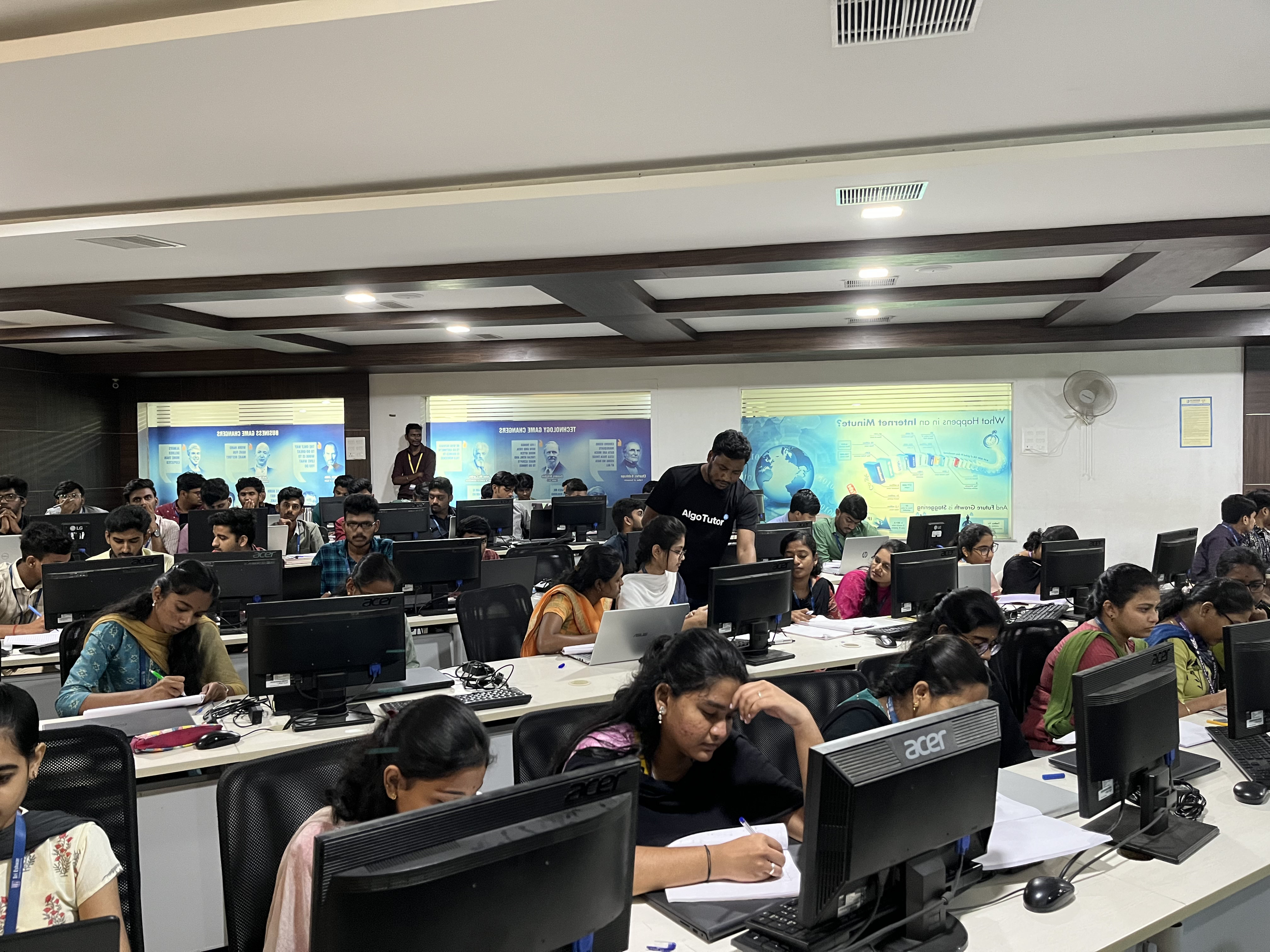
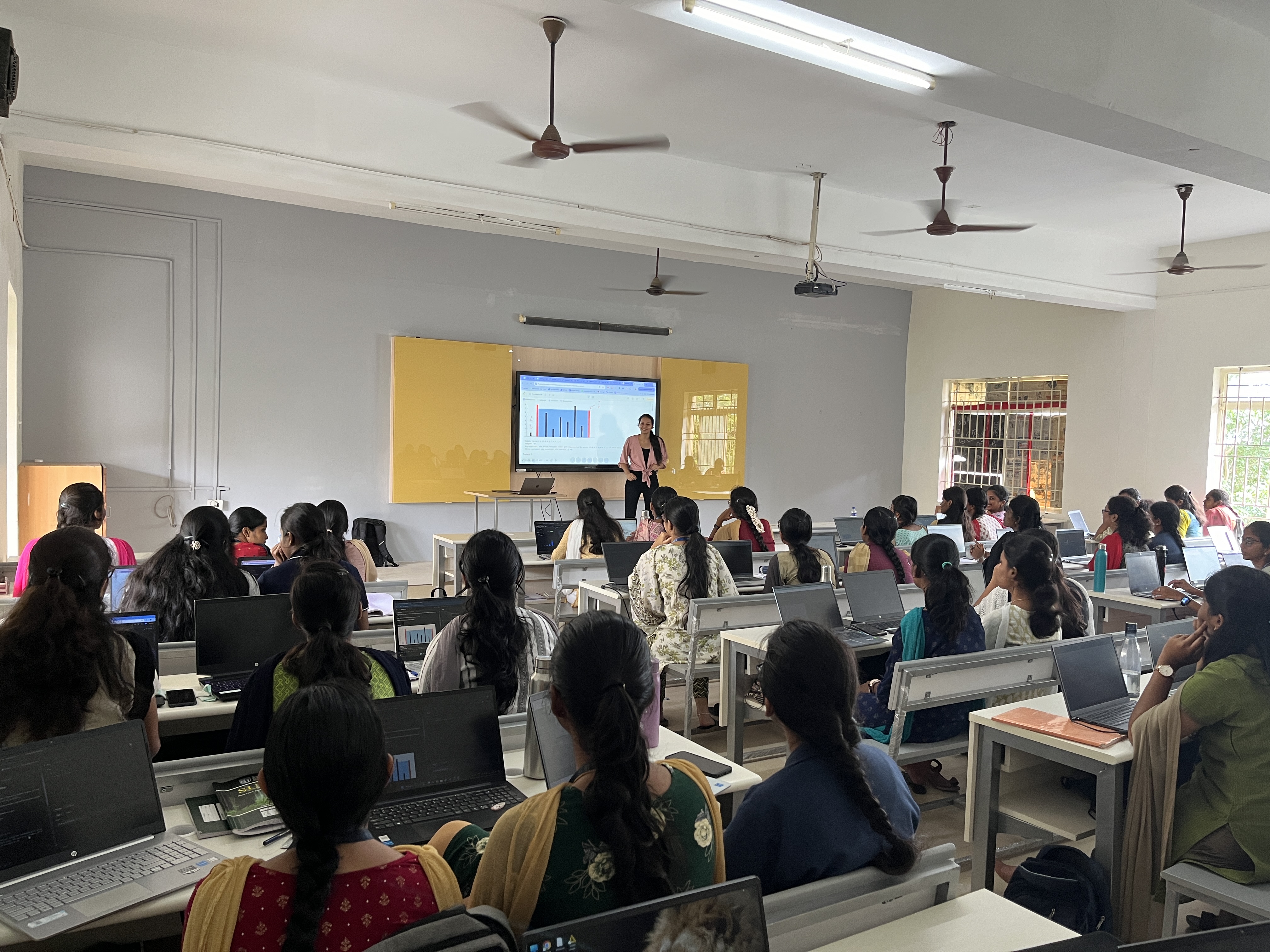
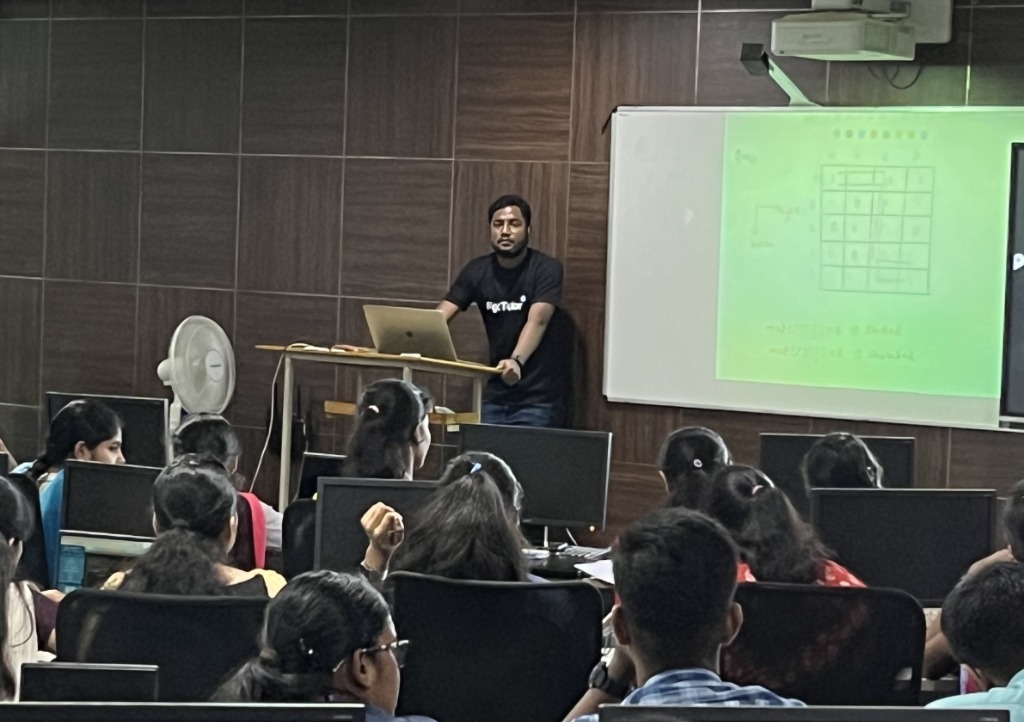
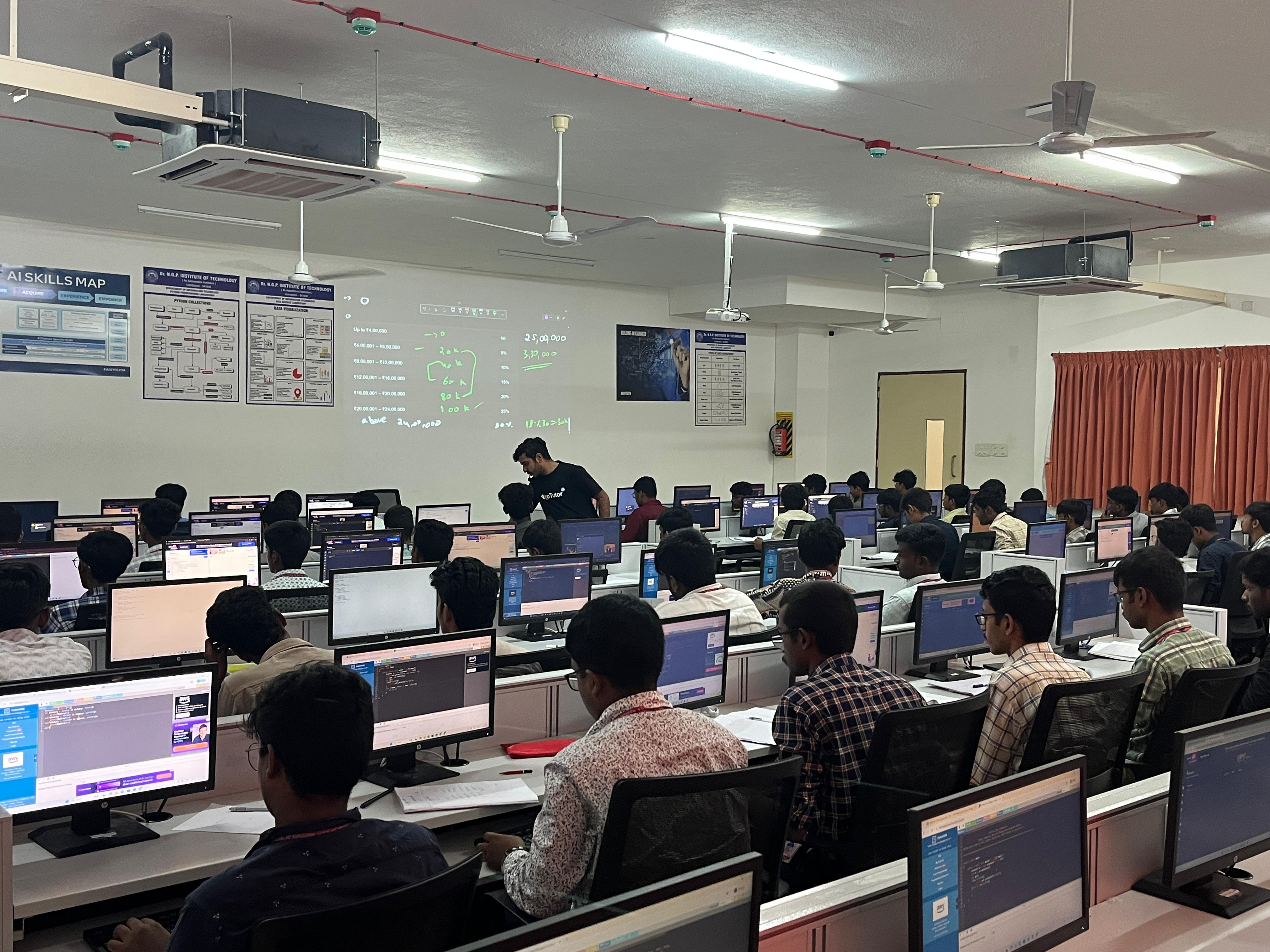
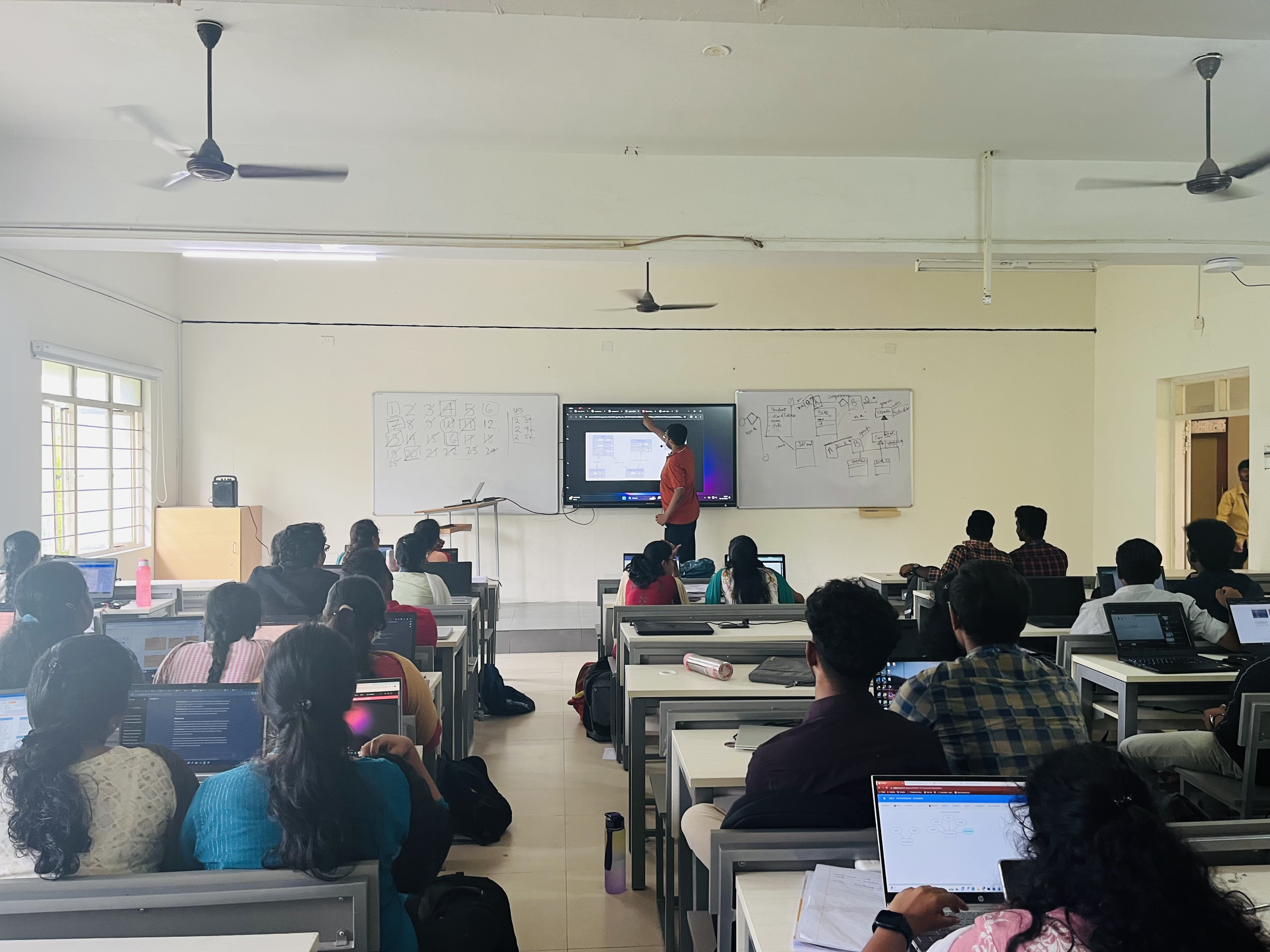
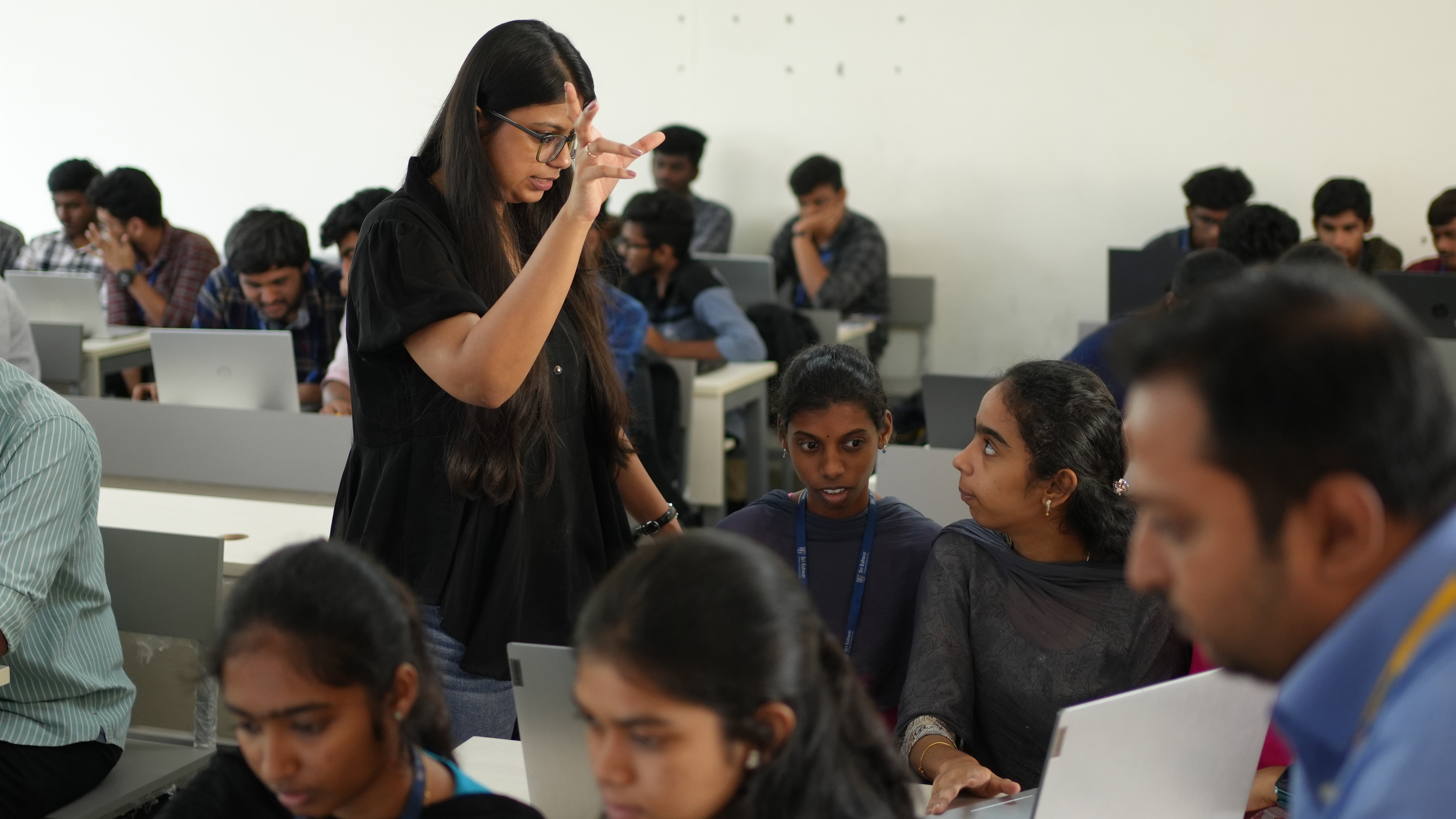
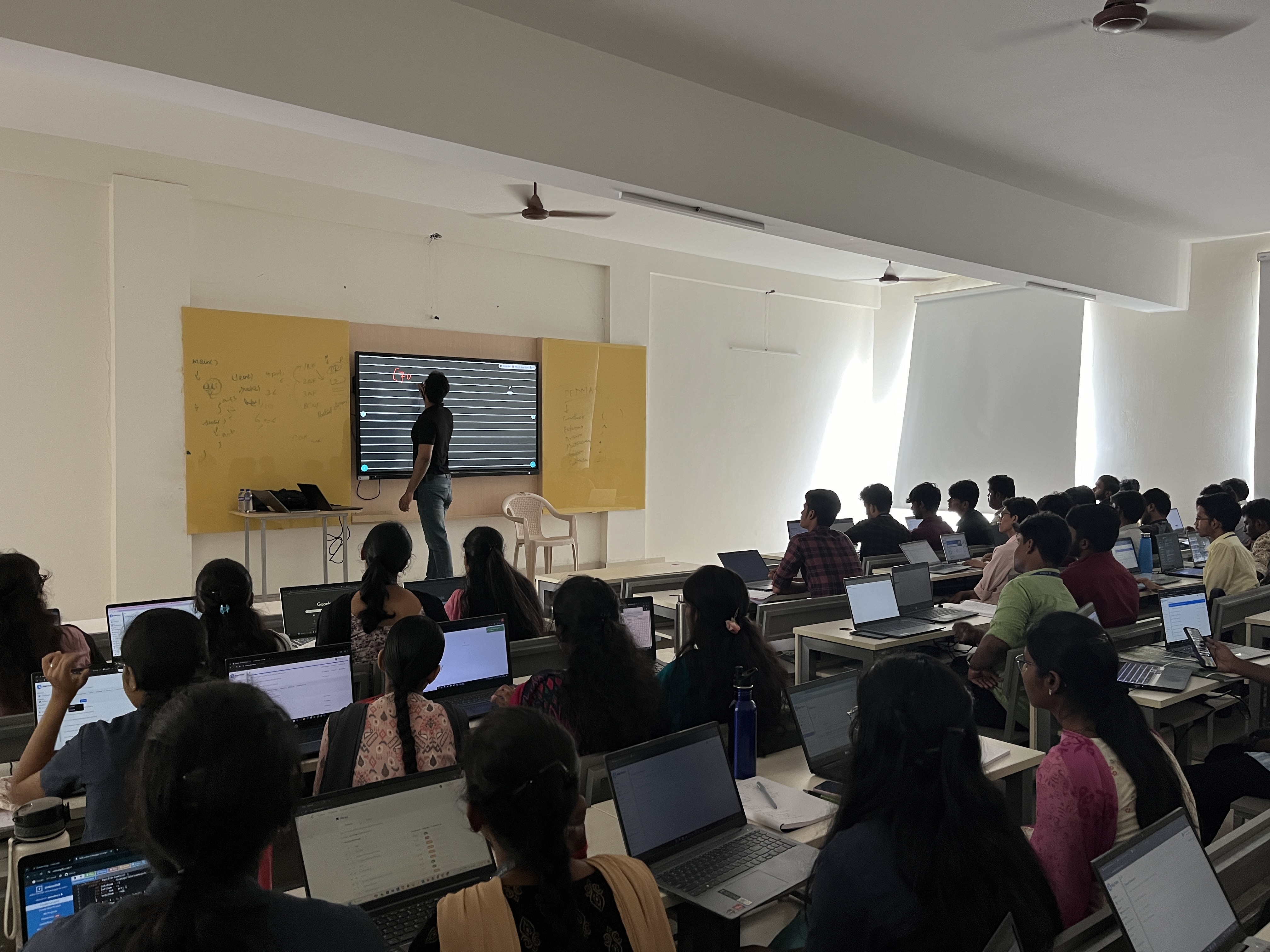
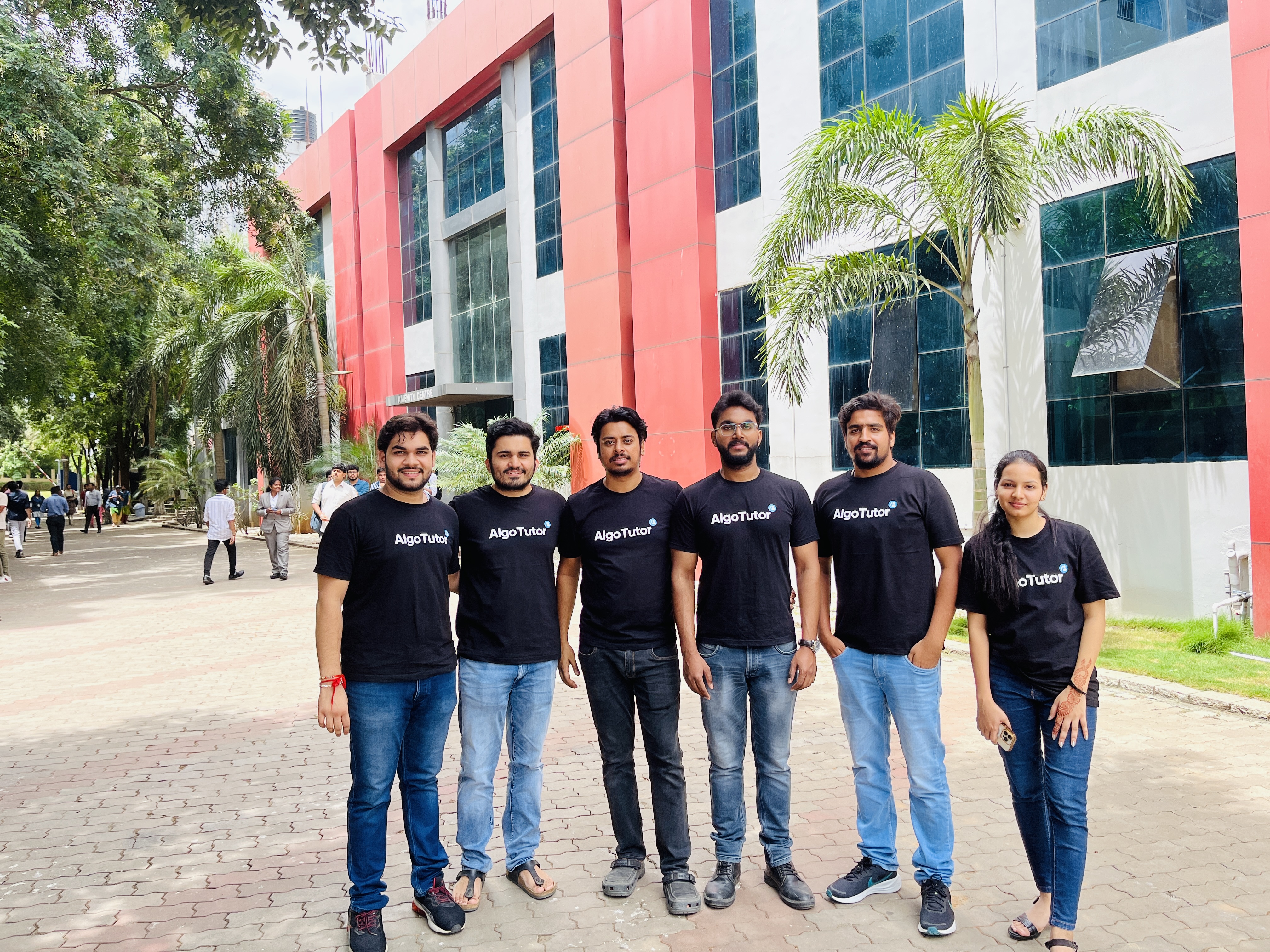
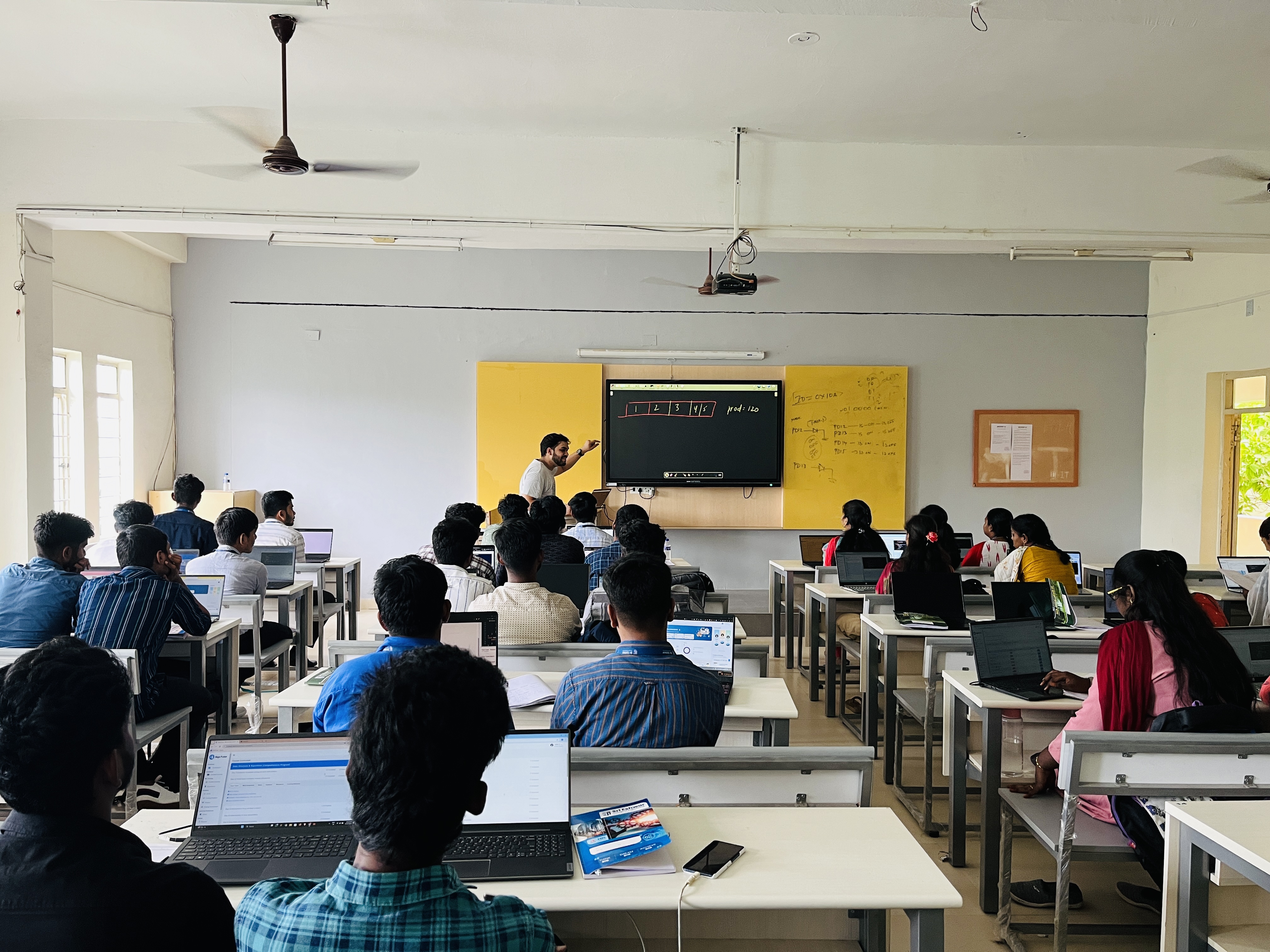
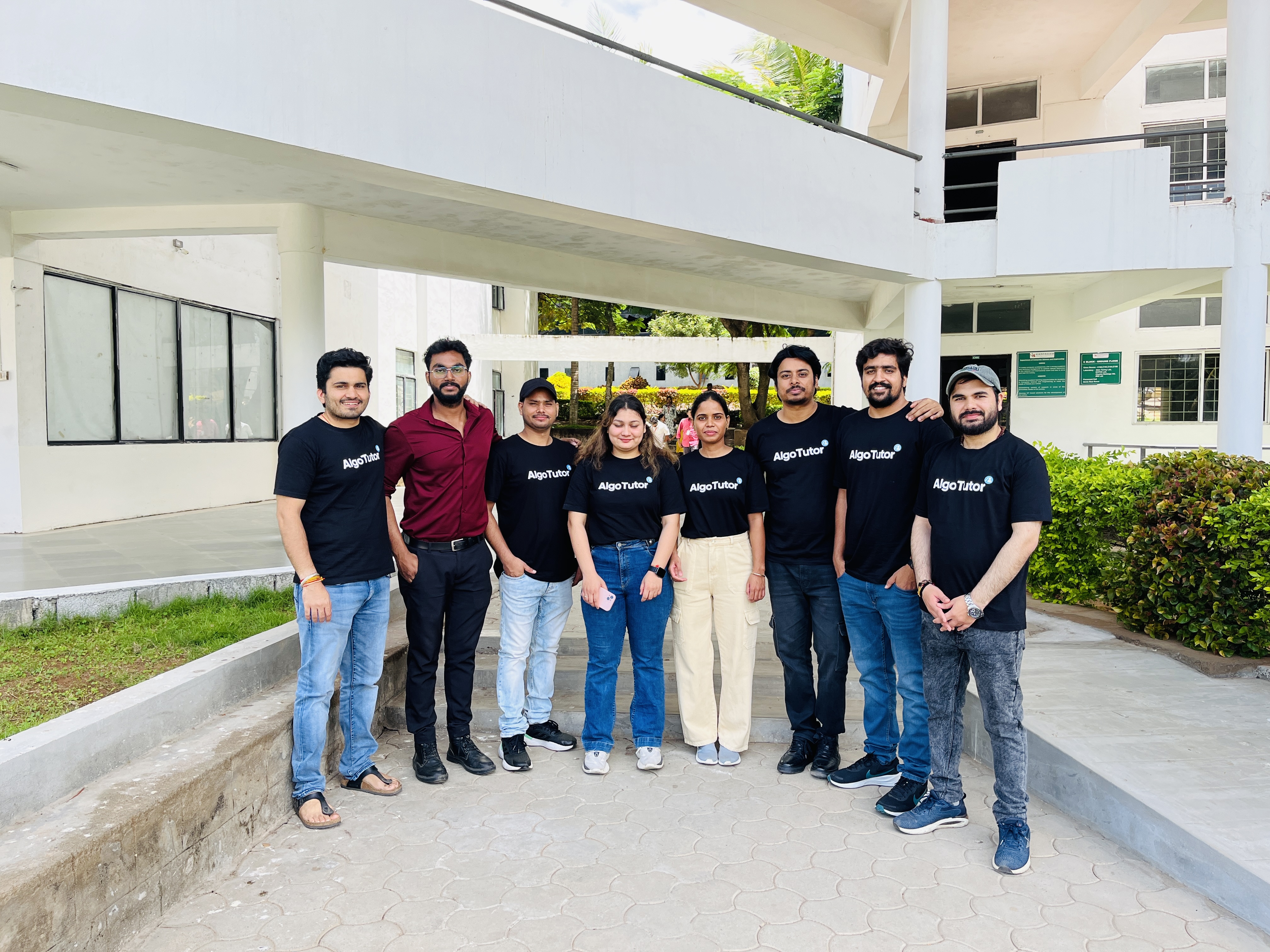
Visual snapshots from live onboarding sessions, whiteboard code peer audits, coding bootcamps, and institutional placement prep days.